Source Solas Lifebuoy Igniting Light for Ships, Vessels, and Boats
Compare 30 verified listings for the solas lifebuoy igniting light designed for maritime safety. Buyers can evaluate specifications like flash time, battery type, and certifications including CCS and GL/EC to find suitable options for ships, vessels, and boats; compare the available evidence and request quotations based on your requirements.
Key considerations
Products List




Comprehensive Sourcing Guide
Solas Lifebuoy Igniting Light Sourcing Guide
Procuring safety equipment for maritime vessels requires strict adherence to international regulations and rigorous quality verification. The Solas lifebuoy igniting light is a critical component designed to enhance the visibility of a person overboard during nighttime or low-visibility conditions. Buyers must ensure that every unit sourced meets the stringent performance criteria mandated by the International Convention for the Safety of Life at Sea. This guide provides a structured approach to evaluating suppliers, verifying technical specifications, and managing commercial risks associated with this essential life-saving appliance.
Product Scope and Observed Listing Signals
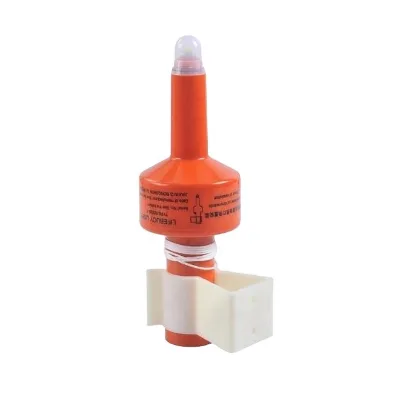
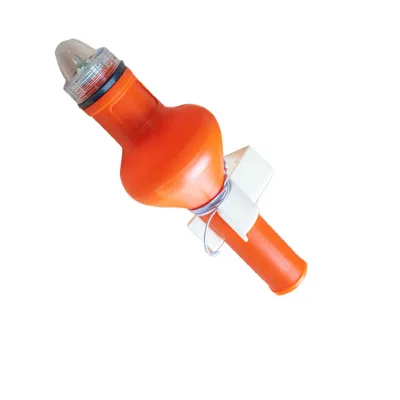
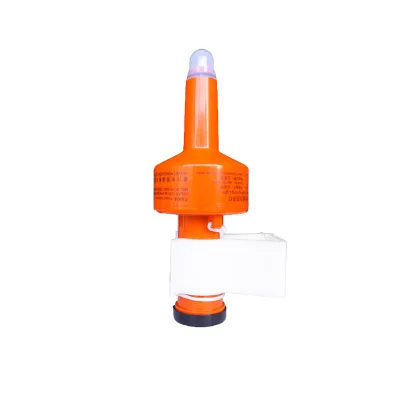
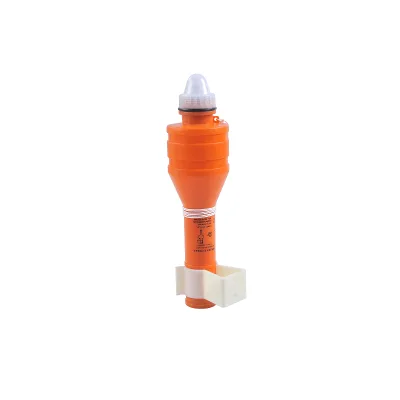
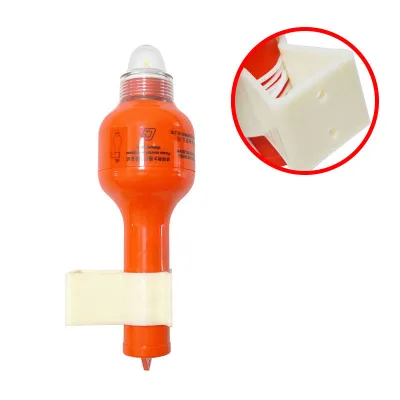
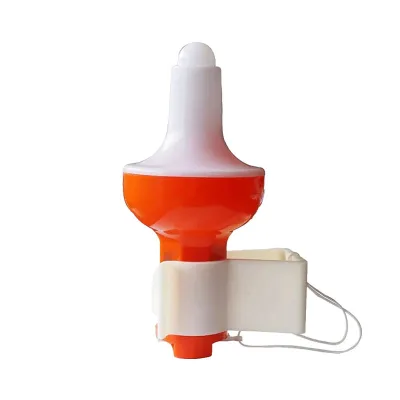
Market listings for these devices typically indicate a primary material composition of durable plastic, engineered to withstand harsh marine environments while maintaining structural integrity. The observed product attributes suggest a standard orange coloration, which is universally recognized for high visibility in emergency situations. Buyers should note that the single package size often measures approximately 25x15x10 cm, with a gross weight around 0.6 kg, facilitating easy storage and rapid deployment from lifebuoy rings. These physical dimensions are crucial for logistics planning and ensuring the device fits within standard life-saving equipment compartments on various vessel types.
Commercial signals in the market reveal a wide price range, reflecting variations in certification levels, battery types, and manufacturing origins. Most suppliers indicate a place of origin in Jiangsu, China, leveraging established manufacturing hubs for marine safety equipment. The minimum order quantity often starts at fifty sets, suggesting that these products are primarily targeted at institutional buyers, shipyards, or maritime safety distributors rather than individual consumers. Understanding these market signals helps buyers anticipate volume discounts and negotiate more favorable terms based on their specific procurement needs and storage capabilities.
Technical Specifications to Verify
The core functionality of the igniting light relies on a reliable power source, with listings frequently citing lithium or dry batteries as the standard energy supply. Buyers must verify the luminous intensity, which should meet or exceed specific candela thresholds to ensure visibility at significant distances. The flash time is another critical parameter, with many specifications indicating a duration of more than eight hours, ensuring the light remains operational throughout extended rescue operations. Additionally, the flash frequency is often specified within a range of fifty to seventy times per minute, providing a distinct visual signal that aids in locating individuals in the water.
Waterproofing is a non-negotiable feature for any marine safety device, and buyers should confirm the presence of a waterproof tube or equivalent sealing mechanism. The validity period of the device is typically five years, after which the unit must be replaced or professionally serviced to maintain compliance. Some listings also mention a self-igniting mechanism, which activates automatically upon contact with seawater, eliminating the need for manual activation during emergencies. Verifying these technical details ensures that the purchased equipment will perform reliably under the most demanding maritime conditions, protecting lives and ensuring regulatory compliance.
Compliance and Safety Documentation
Regulatory compliance is paramount when sourcing Solas lifebuoy igniting lights, as these devices are subject to strict international maritime safety standards. Buyers must request and verify certificates from recognized classification societies, such as the China Classification Society (CCS) or equivalent bodies like GL/EC and CE. The Solas 1974 convention is a key standard that dictates the performance and testing requirements for life-saving appliances, and suppliers should provide documentation proving adherence to this framework. Without proper certification, the equipment may not be accepted by maritime authorities, leading to potential fines or operational restrictions for the vessel owner.
In addition to product-specific certifications, buyers should inquire about the manufacturer’s quality management systems, such as ISO 9001, which indicates a commitment to consistent manufacturing processes. While not a direct safety certification, these quality standards provide assurance that the production line follows rigorous controls to minimize defects. It is also advisable to check for any additional national or regional approvals that may be required for specific vessel registries. Ensuring that all documentation is current and matches the specific model number of the ordered equipment prevents administrative delays during vessel inspections and audits.
Cost Drivers and Commercial Terms
Several factors influence the final cost of Solas lifebuoy igniting lights, including the type of battery used, the level of certification obtained, and the volume of the order. Lithium batteries may offer longer shelf life and better performance in extreme temperatures but can come at a higher cost compared to dry batteries. Buyers should also consider the availability of customization services, such as OEM or ODM options, which may incur additional fees but allow for branding or specific design modifications. Understanding these cost drivers helps in creating a realistic budget and comparing quotes from different suppliers on an apples-to-apples basis.
Commercial terms such as delivery time and sample availability are also critical components of the procurement process. Typical lead times may extend to thirty days after payment, requiring careful planning to ensure timely delivery for vessel outfitting or maintenance schedules. Suppliers often offer samples for quality verification, with a sample time of approximately seven days after payment, allowing buyers to test the product before committing to a large order. Negotiating clear terms regarding packaging, shipping responsibilities, and warranty coverage can further mitigate financial risks and ensure a smooth transaction process for both parties involved.
Supplier Qualification and Quality Control
Evaluating supplier qualifications is essential to ensure the reliability and safety of the purchased equipment. Buyers should verify the supplier’s experience in manufacturing marine safety equipment and their ability to provide consistent quality across large orders. Checking for references or past performance with reputable maritime clients can provide valuable insights into the supplier’s reliability and customer service capabilities. Additionally, suppliers offering both OEM and ODM services demonstrate flexibility and technical expertise, which can be beneficial for customizing equipment to meet specific vessel requirements.
Quality control measures should be a key part of the supplier evaluation process, with buyers requesting information on testing procedures and quality assurance protocols. Suppliers should be able to provide detailed information on how they test for waterproofing, luminous intensity, and battery performance before shipment. Implementing pre-shipment inspections or third-party quality audits can further ensure that the delivered products meet the agreed-upon specifications. Establishing a strong relationship with a qualified supplier helps in maintaining a steady supply of certified equipment and facilitates quicker resolution of any issues that may arise during the procurement process.
Long-Term Procurement Checks
Maintaining a reliable supply chain for Solas lifebuoy igniting lights requires ongoing monitoring and periodic re-evaluation of suppliers. Buyers should establish a schedule for regular audits and performance reviews to ensure that suppliers continue to meet quality and compliance standards. Tracking the performance of previously purchased equipment, including any failures or maintenance issues, can provide valuable feedback for future procurement decisions. Additionally, staying updated on changes in maritime regulations and certification requirements ensures that the sourced equipment remains compliant with the latest international standards.
Building a diversified supplier base can mitigate risks associated with supply chain disruptions or changes in supplier capabilities. Buyers should consider maintaining relationships with multiple qualified suppliers to ensure continuity of supply and competitive pricing. Regular communication with suppliers regarding market trends, new product developments, and regulatory changes can help in making informed procurement decisions. By implementing these long-term checks, buyers can ensure that their vessels are consistently equipped with reliable, certified, and high-performance life-saving equipment, enhancing overall maritime safety and operational efficiency.
FAQs
What certifications does the lifebuoy igniting light hold?
The product holds Solas, ISO, GL/EC, CE, and CCS certifications. These standards ensure compliance with international maritime safety regulations. Buyers can verify specific certificates like CCS and EC for vessel approval. This ensures the equipment meets required safety protocols for ships and boats.
How long does the light flash after activation?
The light flashes for more than eight hours continuously. It utilizes an LED illuminant powered by a lithium or dry battery. This duration ensures visibility during extended rescue operations at sea. The battery type supports reliable performance in marine environments.
Can I request custom logos on the lifebuoy light?
Yes, custom logos are available for this product. The manufacturer offers OEM and ODM services to meet specific branding needs. Buyers can request personalized designs while maintaining the standard orange color. This customization supports professional equipment requirements for various vessels.
What is the minimum order quantity for this item?
The minimum order quantity is fifty sets per transaction. This MOQ applies to the standard plastic lifebuoy ring model. Buyers should plan their procurement accordingly to meet this threshold. The product is sold as a single item unit within the carton.
How long is the delivery time after payment?
Delivery takes thirty days after the payment is received. This lead time covers production and shipping preparation for the order. Buyers should account for this duration when planning their supply chain. Sample orders are available with a seven-day turnaround time.
Where is the product manufactured and what is the origin?
The product originates from Jiangsu, China. This location is the primary place of origin for the manufacturing facility. Buyers sourcing from this region can expect specific logistics and shipping terms. The goods are packed in carton boxes for safe transport.
What is the validity period of the lifebuoy light?
The validity period for the light is five years. This duration ensures the equipment remains functional and safe for maritime use. Buyers should track this timeline for maintenance and replacement schedules. The product is designed for professional equipment applications on ships.